• Contact Now Schedule an Appointment

    2759 State Road 580 Suite 112, 210, 212 and 213 | Clearwater, FL 33761
    cathilong@clearwater360counseling.com | (727) 804-8623

  • 360 Counseling, LLC

    My WordPress Blog

    • Home
    • About
    • Services
      • Couples Counseling
      • Family Counseling
      • First Responders
      • Grief Counseling
      • Group Therapy
      • Individual Therapy
      • Parenting and Family Issues
    • Specialties
      • Anger Management
      • Autism Spectrum Disorder
      • Conflict Resolution
      • Consulting and Supervision
      • Depression And Anxiety
      • EMDR
      • Grief and Loss
      • Infertility Issues
      • Intimacy and Relationship Issues
      • Panic Attacks and Panic Disorder
      • Parenting Support
      • Stress Management
      • Work and Career Issues
    • Getting Started
      • FAQs
      • Fees for Service
      • Client Forms
      • Appointment Request
      • Pay My Bill
    • Resources
      • Mental Health Links
      • Physical Health Links
    • Contact
    • Blog

    The Vital Connection Between Relationships and Mental Health: Building Stronger Bonds for a Healthier Mind

    July 12, 2024

    In our fast-paced, modern world, the importance of relationships for mental health often gets overlooked. However, the bonds we form with others significantly influence our mental well-being. This article explores the intricate link between relationships and mental health, offering insights into how nurturing these connections can lead to a healthier mind. Understanding the Relationship-Mental Health […]

    Read More

    The Vital Connection Between Relationships and Mental Health: Building Stronger Bonds for a Healthier Mind

    July 12, 2024

    In our fast-paced, modern world, the importance of relationships for mental health often gets overlooked. However, the bonds we form with others significantly influence our mental well-being. This article explores the intricate link between relationships and mental health, offering insights into how nurturing these connections can lead to a healthier mind.

    Understanding the Relationship-Mental Health Connection

    The Impact of Social Connections on Mental Health

    Numerous studies highlight the profound impact of social relationships on mental health. According to the American Psychological Association (APA), strong social connections reduce the risk of depression and anxiety, enhance self-esteem, and improve overall life satisfaction. Conversely, social isolation can lead to mental health issues such as depression, anxiety, and increased stress levels.

    Quality Over Quantity

    While having a broad social network can be beneficial, the quality of relationships is more critical. Meaningful, supportive relationships provide emotional support, reduce stress, and create a sense of belonging. Research published in the Journal of Health and Social Behavior suggests that high-quality relationships are more influential in promoting mental well-being than merely having a large number of social contacts.

    How Relationships Affect Mental Health

    Positive Effects

    1. Emotional Support: Close relationships provide a safe space to express feelings, share concerns, and seek advice. This emotional support is crucial for managing stress and overcoming life’s challenges.
    2. Sense of Belonging: Being part of a community or having close friends fosters a sense of belonging, which is essential for mental health. This feeling reduces loneliness and boosts overall happiness.
    3. Self-Esteem and Confidence: Positive feedback and encouragement from loved ones enhance self-esteem and confidence, contributing to better mental health.

    Negative Effects

    1. Toxic Relationships: Relationships characterized by conflict, negativity, or manipulation can have detrimental effects on mental health. Chronic stress from such relationships can lead to anxiety, depression, and other mental health issue.
    2. Social Isolation: Lack of meaningful relationships can lead to feelings of loneliness and social isolation, which are significant risk factors for mental health problems.

    Strategies to Build and Maintain Healthy Relationships

    1. Effective Communication

    Open and honest communication is the cornerstone of any healthy relationship. Expressing feelings, listening actively, and resolving conflicts constructively help in maintaining strong bonds.

    1. Mutual Respect and Trust

    Respect and trust are fundamental in any relationship. Valuing each other’s opinions, setting healthy boundaries, and being reliable build a strong foundation for lasting relationships.

    1. Quality Time

    Spending quality time together, whether through shared activities or simple conversations, strengthens connections. Prioritizing time for loved ones amidst busy schedules is essential for maintaining relationships.

    1. Seek Professional Help if Needed

    Sometimes, relationships can face challenges that are difficult to navigate alone. Seeking the guidance of a therapist or counselor can provide valuable tools and insights to improve relationship dynamics and mental health.

    Conclusion

    The link between relationships and mental health is undeniable. Strong, supportive relationships can enhance mental well-being, reduce stress, and promote a sense of belonging. Conversely, toxic relationships and social isolation can lead to mental health issues. By prioritizing healthy, meaningful connections and nurturing our relationships, we can significantly improve our mental health and overall quality of life.  By understanding the profound connection between our relationships and mental health, we can take proactive steps to foster healthier interactions and build a supportive network that enriches our lives.


    References


    1. American Psychological Association. (n.d.). The importance of social connections for mental health. Retrieved from [APA](https://www.apa.org).
    2. Umberson, D., & Karas Montez, J. (2010). Social Relationships and Health: A Flashpoint for Health Policy. *Journal of Health and Social Behavior, 51*(1_suppl), S54-S66. doi:10.1177/0022146510383501


    Filed Under: couple counseling, education, EMDR, First Responder, Mental health, parents, Relationships, Therapy Tagged With: Active communication, Counseling, couples, Feelings, Mental Health, partner, passive communication, relationships, significant other, strategies, Therapy

    Enhancing Relationships Through Effective Communication

    June 17, 2024

    In the intricate dance of human relationships, communication serves as the cornerstone. Whether in romantic partnerships, friendships, or family dynamics, the way we convey our thoughts and feelings can significantly impact the health and longevity of our connections. Understanding and improving communication styles, such as passive communication and active communication, can lead to more fulfilling […]

    Read More

    Enhancing Relationships Through Effective Communication

    June 17, 2024

    In the intricate dance of human relationships, communication serves as the cornerstone. Whether in romantic partnerships, friendships, or family dynamics, the way we convey our thoughts and feelings can significantly impact the health and longevity of our connections. Understanding and improving communication styles, such as passive communication and active communication, can lead to more fulfilling and harmonious relationships.

    Understanding Communication Styles

    Effective communication is not just about talking; it’s about connecting. There are different styles of communication, each with its own impact on relationships.

    Passive Communication

    Passive communication is characterized by a reluctance to express thoughts and feelings openly. Individuals who communicate passively often avoid confrontation and may struggle to assert their needs and desires. This can lead to misunderstandings, resentment, and feelings of being undervalued or ignored.

    Signs of Passive Communication:

    • Avoiding eye contact
    • Soft or hesitant speech
    • Deferring to others’ opinions
    • Suppressing personal needs and desires

    While passive communication can keep the peace in the short term, it often leads to long-term dissatisfaction and conflict.

    Active Communication

    Active communication, on the other hand, involves openly and honestly expressing thoughts and feelings while also being receptive to others. This style fosters mutual respect and understanding, making it the cornerstone of healthy relationships.

    Characteristics of Active Communication:

    • Maintaining eye contact
    • Speaking clearly and confidently
    • Listening attentively
    • Expressing needs and feelings directly

    Active communication promotes clarity, reduces misunderstandings, and strengthens emotional bonds.

    The Role of Therapy and Counseling

    Improving communication in relationships often requires more than just good intentions. Therapy and counseling can play a crucial role in helping individuals and couples develop healthier communication patterns.

    Benefits of Therapy and Counseling

    1. Identifying Communication Patterns: Therapists can help individuals recognize whether they are using passive communication, active communication, or other styles that may be hindering their relationships.
    2. Building Communication Skills: Counseling provides tools and strategies to improve active communication, such as assertiveness training and active listening techniques.
    3. Resolving Underlying Issues: Therapy can address underlying issues that contribute to poor communication, such as anxiety, low self-esteem, or past traumas.
    4. Enhancing Emotional Intelligence: Counseling helps individuals develop emotional intelligence, which is crucial for understanding and managing emotions in oneself and others.
    5. Strengthening Relationships: By improving communication, therapy can help rebuild trust, enhance intimacy, and foster deeper connections in relationships.

    Practical Tips for Better Communication

    Here are some practical tips to enhance communication in your relationships:

    1. Practice Active Listening: Pay full attention to the speaker, nod, and provide feedback. Show that you value their perspective.
    2. Use “I” Statements: Express your feelings and needs without blaming others. For example, say “I feel upset when…” instead of “You always make me…”
    3. Be Mindful of Body Language: Non-verbal cues such as eye contact, facial expressions, and posture play a significant role in communication.
    4. Stay Calm and Patient: Emotional regulation is key to productive communication. Take deep breaths and stay calm, even during disagreements.
    5. Seek Professional Help: If communication issues persist, consider seeking help from a therapist or counselor. Professional guidance can be invaluable.

    Conclusion

    Effective communication is essential for healthy and fulfilling relationships. By understanding the difference between passive communication and active communication, and by seeking the benefits of therapy and counseling, individuals can transform their interactions and build stronger, more resilient connections. Remember, it’s never too late to improve your communication skills and enhance the quality of your relationships. If you’re struggling with communication in your relationships, don’t hesitate to reach out to a professional therapist or counselor to guide you on your journey to better communication and deeper connections.

    Filed Under: couple counseling, education, EMDR, First Responder, MEN AND MENTAL HEALTH, Mental health, parents, Relationships, school, Therapy Tagged With: Active communication, ANXIETY, couples, crisis, DEPRESSION, EMDR, emotions, Feelings, Grief, Help, Journaling, Mental Health, mindfulness, partner, passive communication, relationships, self care, significant other, spouse, strategies, stress, Therapy

    The Importance of Couples Counseling: Strengthening Relationships and Enhancing Mental Health

    June 10, 2024

    In the tapestry of human relationships, romantic partnerships stand out as one of the most significant threads. They are sources of love, support, and companionship, but they can also be fraught with challenges and conflicts. When issues arise, couples counseling often emerges as a crucial resource. This form of therapy not only fosters healthier relationships […]

    Read More

    The Importance of Couples Counseling: Strengthening Relationships and Enhancing Mental Health

    June 10, 2024

    In the tapestry of human relationships, romantic partnerships stand out as one of the most significant threads. They are sources of love, support, and companionship, but they can also be fraught with challenges and conflicts. When issues arise, couples counseling often emerges as a crucial resource. This form of therapy not only fosters healthier relationships but also contributes significantly to the overall mental well-being of both partners.

    Understanding Couples Counseling

    Couples counseling, also known as couples therapy or marriage counseling, is a type of psychotherapy aimed at helping partners recognize and resolve conflicts to improve their relationship. It is typically facilitated by a licensed therapist with expertise in relationship dynamics. The sessions provide a safe and structured environment for couples to communicate openly, understand each other’s perspectives, and develop effective strategies for dealing with disputes.

    Strengthening Relationships

    Enhanced Communication: One of the most common issues in relationships is poor communication. Couples counseling encourages open dialogue and teaches partners how to express their needs and concerns constructively. This improvement in communication can reduce misunderstandings and foster a deeper emotional connection.

    Conflict Resolution Skills: Every relationship encounters conflicts. What matters is how couples handle them. Counseling equips partners with tools and techniques for resolving disagreements in a healthy manner, preventing minor issues from escalating into major problems.

    Rebuilding Trust: Trust is the cornerstone of any healthy relationship. Infidelities, lies, or breaches of trust can severely damage a partnership. Through counseling, couples can work through these breaches, understand their root causes, and rebuild trust through honesty and consistent behavior.

    Strengthening Emotional Bonds: Counseling can reignite emotional intimacy by helping partners reconnect on a deeper level. This reconnection often involves rediscovering shared interests, setting common goals, and appreciating each other’s unique qualities.

    Impact on Mental Health

    Reduced Stress and Anxiety: Relationship problems are a significant source of stress and anxiety. By addressing these issues in counseling, couples can alleviate the mental burden they impose. This reduction in stress can lead to improved mental health for both partners.

    Improved Individual Self-Esteem: A healthy relationship boosts self-esteem. When partners feel valued and understood, their self-worth is enhanced. Conversely, a troubled relationship can lead to feelings of inadequacy and low self-esteem. Counseling helps partners feel heard and appreciated, fostering a positive self-image.

    Mitigating Depression: Persistent relationship issues can contribute to depression. The feelings of loneliness and despair associated with unresolved conflicts can be overwhelming. Couples counseling can provide a pathway to resolution, thereby alleviating depressive symptoms and promoting emotional well-being.

    Healthy Coping Mechanisms: Counseling teaches couples healthy ways to cope with stressors, both within and outside the relationship. These coping mechanisms can extend to other areas of life, contributing to overall mental resilience and well-being.

    When to Seek Couples Counseling

    Couples counseling is beneficial at various stages of a relationship:

    Early Stages: New couples can use counseling to build a strong foundation and establish healthy communication patterns from the outset.

    During Transition Periods: Life transitions such as moving in together, marriage, having children, or career changes can strain relationships. Counseling helps couples navigate these changes smoothly.

    When Facing Persistent Issues: Chronic problems such as infidelity, financial stress, or persistent arguments are clear signals that professional help is needed.

    Prevention and Maintenance: Just as individuals see doctors for regular health check-ups, couples can use counseling as a preventive measure to maintain a healthy relationship.

    Conclusion

    Couples counseling is not just about fixing what is broken; it is about nurturing and enhancing what is already good. By fostering better communication, resolving conflicts, and rebuilding trust, counseling strengthens relationships. Moreover, the positive effects on mental health cannot be overstated. Reduced stress, improved self-esteem, and better coping mechanisms are just a few of the mental health benefits that extend beyond the relationship itself.

    In essence, investing in couples counseling is investing in the well-being of both partners. It is a proactive step towards a healthier, more fulfilling relationship and a happier, more balanced life.

    Filed Under: couple counseling, education, EMDR, First Responder, MEN AND MENTAL HEALTH, Mental health, parents, Relationships, school, Therapy Tagged With: ANXIETY, Cognitive Behavioral Therapy, Counseling, couples, crisis, DEPRESSION, EMDR, emotions, family, Feelings, Grief, Help, Journaling, Mental Health, mindfulness, partner, passive communication, relationships, significant other, spouse, strategies, stress, Therapy

    Recognizing the Signs of Depression: A Vital Step Towards Support and Healing

    February 26, 2024

    Depression is a serious mental health condition that affects millions of people worldwide. It can manifest in various ways and impact individuals of all ages, genders, and backgrounds. However, recognizing the signs and symptoms of depression is crucial for early intervention and providing the necessary support to those in need. In this post, we will […]

    Read More

    Recognizing the Signs of Depression: A Vital Step Towards Support and Healing

    February 26, 2024

    Depression is a serious mental health condition that affects millions of people worldwide. It can manifest in various ways and impact individuals of all ages, genders, and backgrounds. However, recognizing the signs and symptoms of depression is crucial for early intervention and providing the necessary support to those in need. In this post, we will explore common indicators of depression, emphasizing the importance of awareness and understanding.

    Persistent Sadness and Hopelessness:

    One of the hallmark signs of depression is a persistent feeling of sadness or emptiness. Individuals experiencing depression may exhibit an overwhelming sense of despair and hopelessness, even in situations that would typically bring joy or satisfaction. These feelings often persist for extended periods, affecting their overall mood and outlook on life.

    Loss of Interest and Pleasure:

    Depression can lead to a significant decline in interest or enjoyment in previously cherished activities. Hobbies, social interactions, and even relationships may lose their appeal, leaving individuals feeling detached and disengaged. This loss of interest can be a telling sign of underlying depression.

    Fatigue and Lack of Energy:

    People with depression often experience a pervasive sense of fatigue and reduced energy levels. They may find it challenging to carry out daily tasks, experiencing a constant state of exhaustion despite adequate rest. Physical and mental fatigue can contribute to a further decline in overall well-being and make it difficult to concentrate or make decisions.

    Changes in Appetite and Weight:

    Fluctuations in appetite and weight are common among those with depression. While some individuals may experience a significant decrease in appetite, leading to weight loss, others may turn to food as a means of comfort, resulting in weight gain. These changes can be noticeable and may contribute to feelings of guilt or low self-esteem.

    Sleep Disturbances:

    Depression often disrupts normal sleep patterns. Some individuals may struggle with insomnia, finding it challenging to fall asleep or experiencing frequent awakenings during the night. Conversely, others may find themselves sleeping excessively, yet waking up feeling unrefreshed. Such disturbances can exacerbate feelings of fatigue and contribute to a vicious cycle of negative emotions.

    Irritability and Agitation:

    Depression can manifest as increased irritability, restlessness, or a shorter temper. Individuals may find themselves easily frustrated, becoming agitated over minor issues. This symptom is not always recognized as being related to depression, but it can significantly impact personal relationships and daily functioning.

    Feelings of Guilt and Worthlessness:

    Individuals with depression often struggle with intense feelings of guilt and worthlessness. They may constantly blame themselves for perceived failures or shortcomings, even when there is no rational basis for such self-criticism. These negative thoughts can be overwhelming and further contribute to a deepening sense of despair.
    Recognizing the signs of depression is crucial for providing support, seeking professional help, and promoting healing. It is important to remember that depression is a treatable condition, and early intervention can significantly improve outcomes. If you or someone you know is exhibiting signs of depression, encourage open dialogue and offer compassionate support. Additionally, professional assistance from the mental health providers at 360 Counseling should be sought for accurate diagnosis and appropriate treatment. Together, we can combat the stigma surrounding mental health and foster a supportive environment that encourages healing and well-being.

    Filed Under: education, EMDR, Mental health, parents, Relationships, school, Therapy Tagged With: ANXIETY, Counseling, couples, crisis, DEPRESSION, EMDR, Feelings, Grief, Help, Journaling, Mental Health, partner, passive communication, relationships, self care, significant other, spouse, strategies, stress, Therapy

    Mindfulness in Motion: Incorporating Meditation into a Busy Lifestyle

    January 4, 2024

    In the hustle and bustle of our daily lives, finding moments of tranquility can be challenging. Balancing work, family, and personal commitments often leaves little room for self-care. However, integrating mindfulness and meditation into your busy lifestyle is not only possible but can also be transformative for your mental well-being. The Busy Lifestyle Paradox In […]

    Read More

    Mindfulness in Motion: Incorporating Meditation into a Busy Lifestyle

    January 4, 2024

    In the hustle and bustle of our daily lives, finding moments of tranquility can be challenging. Balancing work, family, and personal commitments often leaves little room for self-care. However, integrating mindfulness and meditation into your busy lifestyle is not only possible but can also be transformative for your mental well-being.

    The Busy Lifestyle Paradox

    In our fast-paced world, the idea of sitting down for extended meditation sessions may seem impractical for many individuals. The good news is that mindfulness can be practiced in motion, seamlessly fitting into even the most hectic schedules.

    Embracing Everyday Moments

    Mindfulness is not just about sitting in silence; it’s about being present in every moment. Whether you’re commuting to work, walking the dog, or doing household chores, these daily activities can become opportunities for mindfulness.

    1. Commuting Mindfully: Use your daily commute as a chance to practice mindfulness. Instead of stressing about traffic, focus on your breath. Feel the sensation of each inhale and exhale. Use the time to cultivate a sense of calm amidst the external chaos.

    2. Walking Meditation: Transform your regular walks into mindful journeys. Pay attention to the sensation of each step, the rhythm of your movement, and the sights and sounds around you. This simple practice can turn a mundane activity into a mindful experience.

    3. Mindful Eating: In a busy lifestyle, meals are often rushed or consumed while multitasking. Take a moment to savor each bite, appreciating the flavors and textures. Mindful eating not only enhances the dining experience but also promotes a healthier relationship with food.

    Quick Meditation Breaks

    You don’t need an hour to experience the benefits of meditation. Short, focused meditation breaks throughout the day can have a profound impact on your mental state.

    1. Breathing Exercises: Take a few minutes to focus on your breath. Inhale deeply, counting to four, and exhale slowly. This simple practice can instantly calm the mind and reduce stress.

    2. Desk Meditation: Incorporate mindfulness into your work routine by taking short meditation breaks. Close your eyes, center your thoughts, and focus on your breath. It’s a great way to refresh your mind and enhance productivity.

    Technology-Assisted Mindfulness

    In the digital age, there are numerous apps and online resources that offer guided meditations and mindfulness exercises. These tools can be invaluable for those with busy schedules, providing accessible ways to incorporate mindfulness into your routine.

    The Benefits of Mindfulness in Motion

    Incorporating mindfulness into a busy lifestyle offers a myriad of benefits. From stress reduction and improved focus to enhanced overall well-being, the positive effects of mindfulness extend into various aspects of life.

    Mindfulness in motion is not about adding more tasks to your to-do list; it’s about infusing awareness into the activities you already engage in daily. By embracing mindfulness in motion, you can cultivate a sense of peace and presence amid life’s chaos, promoting a healthier and more fulfilling lifestyle. Start small, be consistent, and watch as the transformative power of mindfulness enhances your overall well-being.

    Filed Under: Mental health, Relationships, Therapy, Uncategorized Tagged With: ANXIETY, Counseling, DEPRESSION, mindfulness, partner, passive communication, relationships, significant other, spouse, strategies, Therapy

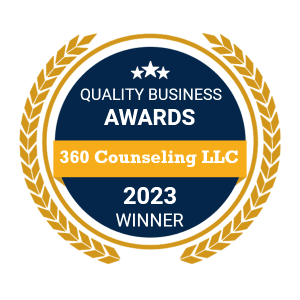
    360 Counseling LLC Wins the 2023 Quality Business Award for The Best Counseling Service in Clearwater, Florida

    September 27, 2023

    360 Counseling has been awarded the 2023 Quality Business Award for The Best Counseling Service in Clearwater, Florida. The award recognizes 360 Counseling for its excellence in customer service, quality services, and overall business operations. The Quality Business Awards are an annual recognition of businesses that demonstrate excellence in their field. The winners are chosen […]

    Read More

    360 Counseling LLC Wins the 2023 Quality Business Award for The Best Counseling Service in Clearwater, Florida

    September 27, 2023

    360 Counseling has been awarded the 2023 Quality Business Award for The Best Counseling Service in Clearwater, Florida. The award recognizes 360 Counseling for its excellence in customer service, quality services, and overall business operations.

    The Quality Business Awards are an annual recognition of businesses that demonstrate excellence in their field. The winners are chosen based on their reputation, customer feedback, and overall performance in their respective industries.

    360 Counseling provides understanding, useful, and validating counseling services in Clearwater, Florida. This business offers counseling for individuals, couples, and families. Some of the treatment specialization options at 360 Counseling include: therapy for depression and anxiety; couples counseling using the Gottman Method; family counseling; parenting support; grief counseling; work and career issues; stress management; trauma/PTSD using EMDR; anger management; autism spectrum disorder; infertility issues; panic attacks and panic disorders; and conflict resolution. Their Clearwater office is a comfortable, welcoming, and supportive atmosphere for their clients. All of the counseling offered is highly personalized to be tailored to each client’s individual needs. 360 Counseling aims to help every client achieve the personal growth goals that they are striving for. 360 Counseling is proud to serve Clearwater and the surrounding areas.

    The 360 Counseling team are professional, caring, and supportive counselors and therapists. Owner and founder, Cathi Long, LMFT, has been helping families, couples, and individuals in Clearwater for many years and she is especially passionate about helping those struggling with anxiety and trauma. Nichole Parker, LMFT, is the Director of Operations, and she is experienced in working with a variety of issues including: anxiety/depression, trauma, life changes, communication, LGBTQ, and family/parenting struggles. Julia Coley, LMHC, has a lot of experience working with children, teens and adults struggling with trauma, anxiety and depression. Kris Druhe, RMHCI, RMFTI, enjoys working with families and children, especially adolescents. Saxon Bowler, RMHCI, is an extremely effective therapist and she works with individuals and families. Erica Liddil, RMFTI, enjoys working with the LGBTQ+ folks in exploring gender and sexuality, providing support for those in the transition process, and with older adults and those with chronic illness. Jennifer Neumann, RMHCI, has a holistic, person-centered approach to working with those who have depression and anxiety. Brooke Beloso, PhD, is trans, poly, sex worker, racial justice, and kink allied, and she enjoys working with parents struggling to interrupt the intergenerational transmission of trauma, whether they are in the pre-parenting, postpartum, early childhood, adolescent, or adult child stage. Logan Long, MA, is an Owner and the Director of Business Development. This incredible team works together to support their clients in Clearwater.

    When it came time to select this year’s winner, 360 Counseling was easily identified as a clear leader in the counseling industry. Their friendly and experienced staff is celebrated throughout the Clearwater community, and highly favourable reviews of 360 Counseling are plentiful. “The clinicians that make up this practice are not only professional, courteous and knowledgeable…they are deeply empathetic and truly listen and help. I would highly recommend 360 Counseling. No matter what is going on in your life, these wonderful therapists and counselors will help you work through and really see the light where you think there is only dark.” “My experience at 360 Counseling has been nothing but amazing. Beth is always very understanding, non-judgmental, and empathetic toward anything I choose to talk to her about. She has done a great job at making me feel comfortable and not alone with what I am facing. The office space is very relaxing and welcoming. I feel very lucky to have found Beth and 360 Counseling. I would highly recommend them to anyone looking for counseling services!” “I selectively give 5 star reviews because no where is perfect, however, when an establishment truly deserves it there is no way I can deny. To come across individuals that operate from a place of love feels like a rare find. The level of professionalism is unmatched. The amount of knowledge and expertise in the building is amazing. There is so much warmth in the environment. I would recommend to anyone needing counseling services.” “Highly recommend to anyone going through a tough time. My experience with Cathy has been the most healthy and progressive journey for my mental and emotional health. I was not told what was wrong or right, or told I can or can’t do something. I was simply guided in the direction to make a mature decision for myself and the situation around me. I was not only helped through lulls in my life, but also motivated to spark growth and positive change. I was able to set and achieve goals, then reflect on how much I’ve accomplished. I’ve never been so satisfied with a service in my life, and I highly recommend 360 if you feel afraid or nervous about counseling. If you take advantage of everything this place has to offer, and entrust yourself to your (very trustworthy) therapist, you will absolutely see change, whether it be small or large.” These are just a few of the many positive and enthusiastic reviews written by clients who were extremely impressed with the counseling provided by 360 Counseling.

    The Quality Business Awards honor businesses that achieve an average quality score of 95% or higher over the previous year. In order to be considered for the award, the business must have exceptional customer reviews from more than three various platforms. Businesses that have maintained sterling reputations and records over numerous years with few complaints will score very highly. Businesses that respond to the majority of client comments and reviews consistently will also be highly viewed upon. Finally, these businesses must conduct themselves with the utmost integrity, regularly give back to the community and make concrete efforts to reduce their carbon imprint. A Quality Business Award is the seal of quality and acknowledges a true dedication to providing a quality product and excellent customer service.

    Filed Under: education, EMDR, Mental health, parents, Relationships, school, Therapy Tagged With: ANXIETY, Counseling, couples, crisis, DEPRESSION, EMDR, emotions, Feelings, Grief, Journaling, Mental Health, mindfulness, partner, passive communication, relationships, significant other, strategies, Therapy

    Cognitive Behavioral Therapy (CBT) Explained

    September 6, 2023

    Cognitive Behavioral Therapy (CBT) is a form of psychotherapy that focuses on the relationship between thoughts, emotions, and behaviors. It is based on the idea that our thoughts and interpretations of events significantly influence how we feel and act. CBT aims to identify and change negative or unhelpful patterns of thinking and behavior to improve […]

    Read More

    Cognitive Behavioral Therapy (CBT) Explained

    September 6, 2023

    Cognitive Behavioral Therapy (CBT) is a form of psychotherapy that focuses on the relationship between thoughts, emotions, and behaviors. It is based on the idea that our thoughts and interpretations of events significantly influence how we feel and act. CBT aims to identify and change negative or unhelpful patterns of thinking and behavior to improve emotional well-being and overall functioning.

    The core principle of CBT is that our thoughts, feelings, and behaviors are interconnected. It suggests that problematic thoughts and beliefs can lead to negative emotions and self-defeating behaviors. By targeting and modifying these patterns, individuals can experience positive changes in their emotional state and behavior.

    CBT is typically a structured and goal-oriented therapy that involves collaboration between the therapist and the individual seeking treatment. The therapist helps the person identify and understand their distorted or unhelpful thinking patterns, as well as the underlying beliefs that contribute to them. These may include cognitive distortions such as all-or-nothing thinking, overgeneralization, catastrophizing, or personalization.

    Once identified, the therapist and individual work together to challenge and reframe these thoughts and beliefs. The goal is to replace negative or irrational thinking with more realistic and balanced thoughts. This process often involves examining the evidence for and against a particular thought, considering alternative perspectives, and generating more adaptive interpretations of events.

    In addition to addressing thoughts, CBT also focuses on behavior change. Individuals learn to identify unhelpful behaviors that contribute to their difficulties and develop strategies to modify them. This may involve setting goals, breaking down overwhelming tasks into smaller, manageable steps, and learning and practicing new skills. Behavioral experiments and homework assignments are often used to facilitate the application of new strategies in real-life situations.

    CBT is an evidence-based therapy and has been extensively researched and found effective in treating various mental health conditions such as depression, anxiety disorders, obsessive-compulsive disorder (OCD), post-traumatic stress disorder (PTSD), eating disorders, and substance use disorders. It is typically a short-term treatment, with a focus on equipping individuals with skills and tools they can use independently to maintain their progress even after therapy concludes.

    Overall, CBT aims to empower individuals to become aware of and change their negative thought patterns and behaviors, leading to improved emotional well-being and the ability to cope with life’s challenges more effectively.

    Filed Under: education, EMDR, Mental health, parents, Relationships, school, Therapy Tagged With: ANXIETY, CBT, Cognitive Behavioral Therapy, Counseling, DEPRESSION, EMDR, emotions, Feelings, Journaling, mindfulness, partner, passive communication, relationships, self care, significant other, spouse, strategies, stress, Therapy

    Nurturing Love: The Power of Relationship Therapy

    August 1, 2023

    In the intricate dance of human relationships, there are bound to be challenges and conflicts that arise along the way. Whether you’re newlyweds, long-term partners, or even friends, navigating the twists and turns of a relationship can sometimes feel overwhelming. That’s where relationship therapy comes in—a valuable resource that offers guidance, support, and tools to […]

    Read More

    Nurturing Love: The Power of Relationship Therapy

    August 1, 2023

    In the intricate dance of human relationships, there are bound to be challenges and conflicts that arise along the way. Whether you’re newlyweds, long-term partners, or even friends, navigating the twists and turns of a relationship can sometimes feel overwhelming. That’s where relationship therapy comes in—a valuable resource that offers guidance, support, and tools to help couples and individuals strengthen their bonds and find greater happiness together. In this post, we will explore the transformative power of relationship therapy and how it can help nurture love and understanding.

    Understanding Relationship Therapy:
    Relationship therapy, also known as couples therapy or marriage counseling, is a specialized form of therapy that focuses on improving communication, resolving conflicts, and enhancing the overall quality of relationships. It provides a safe and non-judgmental space for couples to explore their feelings, needs, and concerns under the guidance of a trained professional therapist.

    Enhancing Communication and Conflict Resolution:
    Effective communication is at the heart of every successful relationship. However, miscommunication or a breakdown in communication can create distance and misunderstandings. Relationship therapy helps couples develop healthy communication patterns, teaching them active listening skills and effective ways to express their emotions. By fostering open and honest dialogue, therapy enables partners to understand each other’s perspectives, leading to increased empathy and connection.

    Conflicts are inevitable in any relationship, but it’s how we handle them that truly matters. Relationship therapy equips couples with valuable conflict resolution techniques, allowing them to address disagreements constructively. Therapists guide partners in finding common ground, negotiating compromises, and managing their emotions during conflicts, leading to healthier and more sustainable resolutions.

    Rebuilding Trust and Healing Wounds:
    Trust forms the foundation of any strong relationship, and when it’s broken, it can be challenging to regain. Relationship therapy offers a safe space for individuals to express their pain and work towards rebuilding trust. Therapists provide guidance on rebuilding trust through transparency, forgiveness, and understanding. Through the therapeutic process, couples can address past wounds and develop strategies to prevent further harm, fostering a deeper sense of emotional intimacy.

    Strengthening Emotional Connection:
    Over time, couples may find themselves feeling disconnected or drifting apart. Relationship therapy helps partners rekindle their emotional connection by exploring each other’s needs, desires, and love languages. Therapists may incorporate exercises and activities that encourage emotional attunement, intimacy-building, and shared experiences, revitalizing the bond between couples.

    Individual Growth and Self-Reflection:
    Relationship therapy is not solely about the relationship itself but also about individual growth. Therapists assist individuals in exploring their personal patterns, beliefs, and past experiences that may be impacting their relationship dynamics. By gaining insight into oneself, individuals can make positive changes, break unhealthy patterns, and develop healthier habits that benefit both themselves and their relationships.

    Conclusion:
    Relationship therapy is a powerful tool for couples and individuals seeking to strengthen their relationships, improve communication, and find greater fulfillment in their connections. By providing a safe and supportive environment, therapists guide couples through the complexities of their relationships, helping them build trust, enhance communication, and foster deeper emotional connections. If you find yourself struggling in your relationship or simply want to nurture and grow the love you share, relationship therapy at 360 Counseling can be a transformative journey towards a happier, healthier, and more harmonious partnership.

    Filed Under: Mental health, Relationships, Therapy Tagged With: ANXIETY, Counseling, DEPRESSION, EMDR, emotions, Feelings, Help, Journaling, Mental Health, mindfulness, partner, passive communication, relationships, significant other, spouse, strategies, stress, Therapy

    7 Effective Strategies to Prevent Burnout and Maintain Well-Being

    July 18, 2023

    In today’s fast-paced and demanding world, burnout has become increasingly common. The feeling of chronic exhaustion, cynicism, and reduced effectiveness can negatively impact our physical and mental well-being. However, by implementing certain strategies, we can proactively prevent burnout and maintain a healthy work-life balance. In this post, we will explore seven effective techniques to help […]

    Read More

    7 Effective Strategies to Prevent Burnout and Maintain Well-Being

    July 18, 2023

    In today’s fast-paced and demanding world, burnout has become increasingly common. The feeling of chronic exhaustion, cynicism, and reduced effectiveness can negatively impact our physical and mental well-being. However, by implementing certain strategies, we can proactively prevent burnout and maintain a healthy work-life balance. In this post, we will explore seven effective techniques to help you avoid burnout and cultivate overall well-being.

    Set Boundaries:
    Establishing clear boundaries between work and personal life is crucial. Define specific working hours and stick to them, ensuring you have dedicated time for relaxation, hobbies, and social activities. Avoid checking work-related emails or messages outside of designated hours, allowing yourself to recharge and disconnect from professional responsibilities.

    Practice Self-Care:
    Prioritizing self-care is essential for preventing burnout. Engage in activities that rejuvenate and energize you. This can include regular exercise, mindfulness meditation, getting sufficient sleep, and maintaining a balanced diet. Remember, taking care of yourself physically and mentally is not a luxury but a necessity for sustainable well-being.

    Delegate and Collaborate:
    Don’t hesitate to delegate tasks or seek assistance when needed. Recognize that you don’t have to shoulder all the responsibilities alone. Whether it’s at work or in your personal life, learn to collaborate with others and distribute tasks efficiently. By sharing the workload, you can prevent overwhelming yourself and create more room for rest and relaxation.

    Prioritize and Organize:
    Effective time management is key to avoiding burnout. Prioritize your tasks based on urgency and importance, and break them down into manageable segments. Consider using productivity tools or techniques like the Pomodoro Technique to enhance focus and prevent procrastination. By organizing your workload, you can reduce stress levels and increase productivity.

    Take Regular Breaks:
    Taking regular breaks throughout the day is crucial for maintaining focus and preventing burnout. Short breaks allow your mind to rest and recharge, improving your overall productivity. Engage in activities like stretching, walking, or simply stepping away from your workspace to clear your mind. Additionally, consider incorporating longer breaks and vacations into your schedule to fully rejuvenate and prevent chronic exhaustion.

    Nurture Supportive Relationships:
    Social connections play a significant role in maintaining well-being and preventing burnout. Cultivate supportive relationships with colleagues, friends, and family. Surround yourself with individuals who uplift and inspire you. Share your challenges and seek emotional support when needed. Engaging in meaningful conversations and spending quality time with loved ones can help alleviate stress and restore your energy.

    Pursue Passion and Hobbies:
    Devote time to activities you genuinely enjoy outside of work. Engaging in hobbies and pursuing your passions provides a sense of fulfillment and balance. Whether it’s painting, playing a musical instrument, gardening, or engaging in sports, allocate regular time to activities that bring you joy and allow you to recharge. Remember that life is not solely about work, and nurturing your passions can prevent burnout by creating a well-rounded lifestyle.

    Conclusion:
    Preventing burnout requires conscious effort and a commitment to self-care. By setting boundaries, practicing self-care, delegating tasks, prioritizing and organizing, taking regular breaks, nurturing supportive relationships, and pursuing passions, you can significantly reduce the risk of burnout and maintain overall well-being. Remember, your mental and physical health are paramount, and investing in yourself ultimately enhances your personal and professional life.

    Filed Under: Mental health Tagged With: ANXIETY, Counseling, crisis, DEPRESSION, EMDR, emotions, Feelings, Grief, Help, Journaling, Mental Health, mindfulness, partner, passive communication, relationships, significant other, spouse, strategies, Therapy

    The Unraveling Connection: Exploring the Impact of Social Media on Mental Health

    July 3, 2023

    In the digital age, social media platforms have become an integral part of our daily lives, connecting people across the globe and transforming the way we communicate. However, beneath the shiny facade lies a complex landscape with potentially profound effects on our mental health. While social media offers numerous benefits, it is crucial to examine […]

    Read More

    The Unraveling Connection: Exploring the Impact of Social Media on Mental Health

    July 3, 2023

    In the digital age, social media platforms have become an integral part of our daily lives, connecting people across the globe and transforming the way we communicate. However, beneath the shiny facade lies a complex landscape with potentially profound effects on our mental health. While social media offers numerous benefits, it is crucial to examine its impact on our well-being. In this post, we delve into the intricate relationship between social media and mental health, shedding light on both the positive and negative implications.

    The Positive Side: Connection and Support

    One of the greatest advantages of social media is its ability to connect people, fostering a sense of belonging and community. It provides individuals with the opportunity to maintain relationships, share experiences, and access support networks, particularly valuable for those facing physical or geographical limitations. Social media platforms can empower individuals by offering spaces to discuss mental health openly, reducing stigma, and promoting understanding.

    Additionally, social media has facilitated the dissemination of mental health information, enabling individuals to gain knowledge, find resources, and engage with mental health professionals. Online communities and support groups provide solace for those struggling with mental health challenges, fostering empathy and solidarity. These positive aspects of social media can contribute to improved mental well-being, particularly when used mindfully and responsibly.

    The Darker Side: The Impact on Mental Health

    While social media has its merits, research has increasingly highlighted the detrimental effects it can have on mental health. Constant exposure to carefully curated highlight reels and comparisons with others’ seemingly perfect lives can trigger feelings of inadequacy, low self-esteem, and depression. The idealized representations of beauty, success, and happiness prevalent on social media can lead to distorted perceptions and unrealistic expectations, perpetuating a culture of comparison.

    Moreover, the constant presence of social media and the addictive nature of scrolling can contribute to increased anxiety, stress, and feelings of isolation. The fear of missing out (FOMO) and the pressure to constantly stay connected can disrupt sleep patterns, hinder real-life social interactions, and foster a compulsive need for validation through likes and comments. Research has also linked excessive social media use to heightened rates of loneliness, cyberbullying, and negative body image issues, particularly among vulnerable populations such as adolescents.

    Mitigating the Impact: Mindful Engagement

    To navigate the potential pitfalls of social media, it is crucial to cultivate mindful engagement habits. Being aware of our emotional reactions while using social media and monitoring the time spent online can help maintain a healthy balance. Setting boundaries, such as designated “offline” periods or reducing screen time before bed, can alleviate the negative effects on sleep and well-being.

    Moreover, curating our social media feeds to include diverse perspectives, authentic content, and positive role models can promote a healthier mindset. Engaging in meaningful conversations and seeking out support within online communities can foster connections and combat feelings of isolation. It is also essential to remember that social media is a curated space, and comparing ourselves to others’ online personas may not reflect the reality of their lives.

    The Role of Platform Design and Regulation

    Recognizing the potential harm caused by social media, platforms and policymakers have started taking steps to promote user well-being. Initiatives such as content warnings, mental health resources, and enhanced privacy settings aim to prioritize user safety and mental health. Implementing tools to limit screen time, providing usage insights, and encouraging breaks are also part of ongoing efforts to mitigate the negative impact of excessive social media use.

    Conclusion

    The influence of social media on mental health is a complex and multifaceted issue. While it offers numerous benefits in terms of connection, support, and information dissemination, its impact on mental well-being cannot be overlooked. It is crucial for individuals to approach social media mindfully, striking a balance between engagement and self-care. Platforms, too, must take responsibility by implementing user-centric design choices and regulating harmful content to ensure a safer online environment. By collectively addressing these challenges, we can maximize the positive potential of social media while minimizing its adverse effects on mental health.

    Filed Under: Uncategorized Tagged With: ANXIETY, Counseling, crisis, DEPRESSION, EMDR, emotions, Feelings, Help, Journaling, Mental Health, mindfulness, partner, passive communication, relationships, significant other, spouse, strategies, Therapy

    • 1
    • 2
    • Next Page »


    2759 State Road 580 Suite 112, 210, 212 and 213 Clearwater, FL 33761

    (727) 804-8623
    email us

    Contact Today

    By submitting this form via this web portal, you acknowledge and accept the risks of communicating your health information via this unencrypted email and electronic messaging and wish to continue despite those risks. By clicking "Yes, I want to submit this form" you agree to hold Brighter Vision harmless for unauthorized use, disclosure, or access of your protected health information sent via this electronic means.

    360 Counseling, LLC
    cathilong@clearwater360counseling.com | (727) 804-8623

    A Website by Brighter Vision | Privacy Policy

    • Facebook
    • LinkedIn
    • Pinterest
    • Twitter